Surface Restoration & Repainting Costs in London (2026)
When to repair rather than replace worktops, stone, timber and ceramics, plus repainting to a finished standard across London. Honest 2026 cost bands inside.
Not every worn surface needs to be torn out. A scorched worktop, a chipped enamel bath, a dulled marble hearth or a tired timber floor can often be brought back in place for a fraction of the cost — and the disruption — of replacement. Surface restoration is the quiet middle path between living with the damage and gutting the room, and for a lot of London homes it is the sensible one. This guide explains what surface restoration actually covers, how to judge whether a given surface is worth repairing or better replaced, and what the work costs in 2026. Every figure here is an honest range to plan around, not a fixed quote — each surface is assessed on inspection before a price is set.
What surface restoration means at PrimeCraft
Say "restoration" and people often picture grand old joinery or something museum-adjacent. That is not what we mean. At PrimeCraft Surface Solutions, surface restoration in London is finish work: repairing and refinishing the surfaces you already have so the damage disappears without the surface being replaced. In practice that covers:
- French polishing and refinishing timber — tables, sideboards, stair handrails, doors and floors brought back to an even sheen.
- Worktop chip, scorch and burn repair across laminate, solid timber, stone and composite.
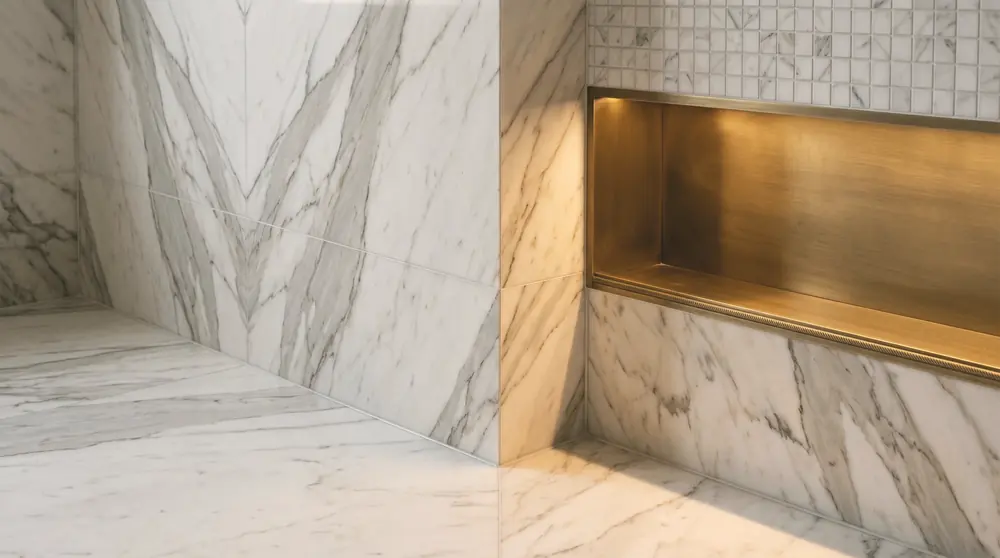
- Stone and marble re-polishing — honing out etch marks, ring stains and light scratches, then resealing.
- Ceramic and bath re-enamelling, so a stained or crazed bath, basin or tiled surface reads as new.
- Glass and mirror re-polishing to lift light scratching and clouding.
- Laminate repair and colour fill for chips, lifted edges and worn joints.
- Cabinet and door respraying, colour-matched and cured in place.
- Metalwork respray — railings, radiators, frames and ironmongery stripped, primed and refinished.
The common thread is simple: the surface stays and only the damage goes. Each of these is colour-matched and carried out on site wherever possible, which is exactly what keeps the cost and the mess down.
Restore or replace: the decision you're actually making
Most people arrive at this with one real question — is it worth fixing, or should it just come out? A few honest tests settle it.
Is the damage cosmetic or structural? A burn, chip, scratch, stain or dulled finish is surface damage, and surface damage restores well. Rot through the core of a timber worktop, a cracked stone slab that flexes underfoot, or a bath split through its body is structural, and structural damage usually means replacement.
How much of the surface is affected? One scorch on an otherwise sound worktop is an easy repair. A worktop worn right out along its whole front edge is a replacement conversation. Restoration earns its keep when the surface is fundamentally good and the damage is localised.
What would replacement drag along with it? Taking out a bath means tiling, plumbing and usually a re-decorate around it. Replacing one run of worktop can mean disturbing the splashback, the upstands and the sink seal. Restoration avoids that knock-on entirely, and that avoided work is often where the real saving sits — not just in the item itself.
Is the piece worth keeping? A solid timber table, a stone hearth or a quality cabinet door is usually worth restoring on merit. A builder-grade laminate panel may not be, and we will say so. Choosing a finisher who tells you when not to spend matters as much as the work itself.
Worktop repair: chips, scorches and burns
Worktop repair in London is the surface job we are asked about most, because a kitchen worktop takes daily punishment and a single mishap spoils an otherwise good run. A hot pan set down without a trivet, a knife that catches the edge, a heavy pot that chips a corner — and suddenly a surface with years left in it looks finished.
A kitchen worktop chip repair is usually a fill, colour-match and refinish: the damage is cut back cleanly, filled with a matched resin or hard filler, then levelled and blended into the surrounding finish so the eye passes straight over it. Scorches and heat marks on laminate and timber are sanded or cut out and the area re-sealed or re-oiled. Solid timber tops respond especially well, because the whole surface can be sanded and re-oiled to erase not just the one mark but the general wear. Stone and composite tops are honed and re-polished rather than sanded. The result in every case is the same — a repair that costs a small fraction of a new worktop and keeps the kitchen usable while it happens.
Bath and ceramic re-enamelling: an alternative to a strip-out
A stained, chipped or crazed bath is one of the classic reasons people talk themselves into ripping out a whole bathroom. It rarely needs to come to that. Bath re-enamelling in London refinishes the bath in place: the old surface is cleaned and keyed, chips and cracks are filled, and a new enamel-style coating is sprayed on and cured to a smooth, hard finish. The same approach revives basins, shower trays and even wall tiles.
The case for it is mostly about what you avoid. Pulling a bath out drags tiling, plumbing and re-decorating along with it, so a bath you simply dislike can trigger a five-figure refit. Re-enamelling it — and, if you want, re-colouring the tiles at the same time — resets the look of the room for a fraction of that, over a day or two rather than weeks. It is the right call when the bath is sound but tired, and the wrong call when it is cracked through or you were replacing the suite anyway. If you are already gutting the room, a re-enamel is a false economy; if you are not, it is often the smartest money in the bathroom.
Timber floors and furniture: French polishing and re-oiling
French polishing in London is the traditional route to a deep, even finish on quality timber, built up in fine layers and burnished to a soft glow. It suits tables, sideboards, handrails, panelled doors and other pieces where the grain and depth of the wood are part of the point. Restoration here means stripping back a scratched, sun-faded or ring-marked finish and rebuilding it so the piece looks cared for rather than tolerated.
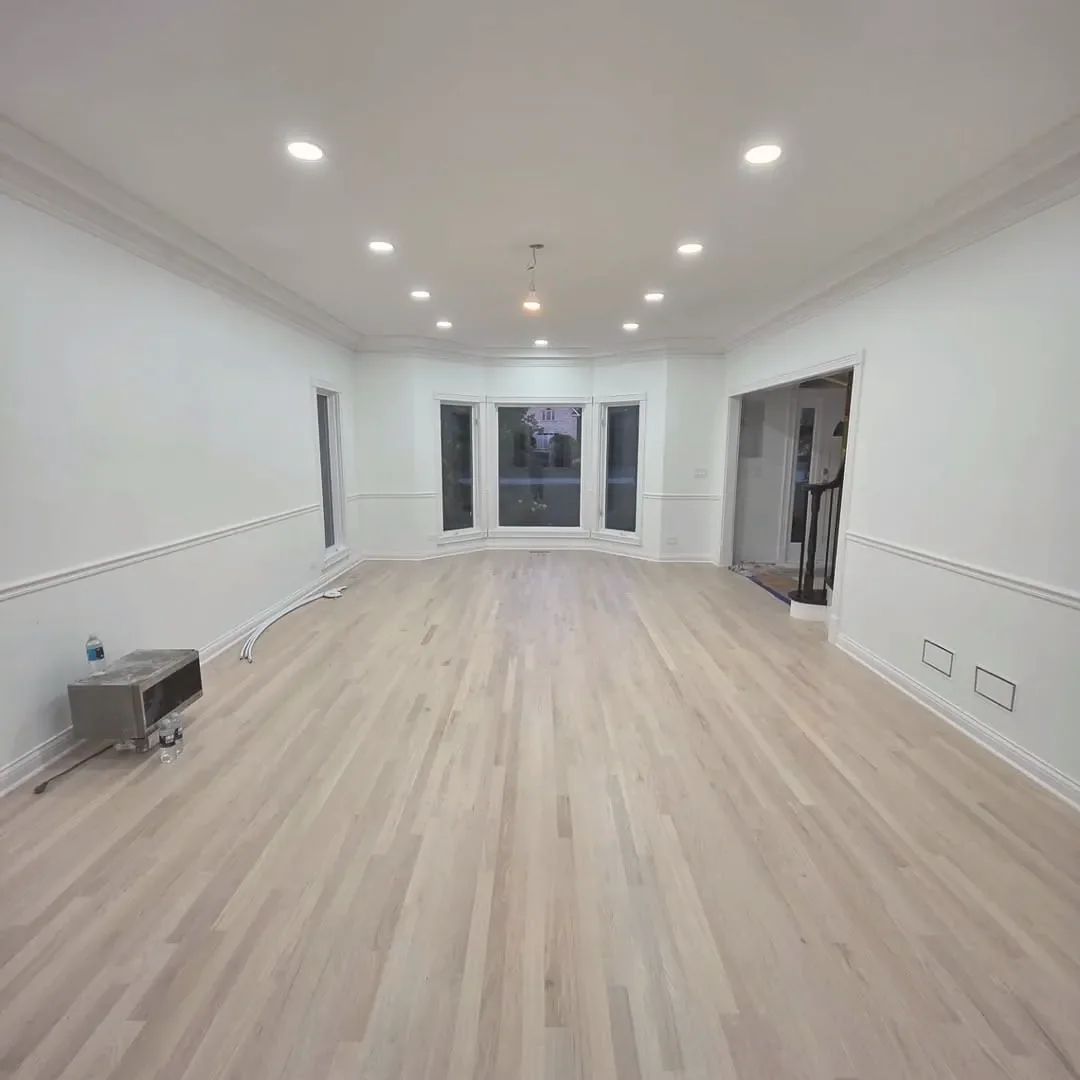
Timber floors follow the same logic at a larger scale. A solid or engineered board floor gone grey, scuffed or patchy along the traffic lines can usually be sanded back and re-oiled, waxed or lacquered to a fresh, uniform finish — a fraction of the cost of lifting and relaying, and far less disruptive. Furniture French polishing is generally priced by the piece and its condition; floor refinishing is priced by the area and the finish you choose. Neither is a fixed figure until the surface has been seen, because the amount of preparation is what really sets the cost.
Cabinets, doors and metalwork: respraying in place
Kitchen cabinet doors, built-in wardrobes, panelled internal doors and metalwork can all be refinished rather than replaced by spraying. Cabinet and door respraying strips the old finish, repairs the substrate, then lays down a colour-matched, factory-smooth coating cured in place — which turns a dated kitchen a fresh colour without a single new carcass. It is the cheapest honest way to change the colour of a kitchen you are otherwise happy with.
Metalwork respray in London covers railings, radiators, window frames, gates and ironmongery: the item is stripped back, treated against rust, primed and refinished so it stops looking weathered and starts protecting itself again. As with everything here, the surface stays and only the finish is renewed, which keeps original ironwork and joinery in service instead of in a skip.
Repainting and decorating: the finishing stage of any refit
Every renovation ends in paint. However good the building work, a room is only judged once it is decorated — which is why repainting is not an afterthought but the finishing stage that either makes or undoes everything underneath. Painting and decorating is a core service for exactly that reason, and it is the last stage of every full renovation we run.
The thing worth understanding about a good repaint is that the paint is the cheap part; the preparation is most of the cost. Filling, sanding, caulking, making good, priming bare and repaired areas, and protecting floors and fittings is where the hours — and the quality — actually go. A wall that has been properly prepared holds a flat, even finish for years; one painted over in a hurry shows every roller mark and filled crack within weeks. When you compare two decorating prices, you are almost always comparing two amounts of preparation, not two amounts of paint. So the repaint after renovation cost in London varies far less by the paint chosen than by the state of the surfaces and how far they are taken before the first coat. The full room-by-room, whole-house and exterior numbers live in our painter and decorator price guide.
For a sense of where decoration sits at the end of a wider job, our whole-home refurbishment walkthrough shows how finishing falls in the sequence, and the gallery gives a general sense of the finished standard we work to across completed projects.
What surface restoration and repainting cost in 2026
Every figure below is a planning range for London in 2026, assessed and confirmed on inspection — never a fixed quote, because condition and access move the number.
- Worktop chip, scorch or burn repair: from roughly £150 to £600, depending on the material, the number of marks and whether a whole timber top is re-oiled at the same time.
- Bath re-enamelling: around £350 to £650 for a standard bath, more if basins, trays or tiles are done in the same visit.
- French polishing and floor refinishing: priced by the piece or the area rather than a flat rate — a small side table and a full floor are very different jobs — so these are quoted once the surface has been seen.
- Interior repaint of a single room: from about £350 to £800, driven mainly by how much preparation and making-good the walls and woodwork need.
- Whole-flat repaint: from around £2,500 upward, depending on the number of rooms, ceiling heights, the state of the surfaces and how much filling and priming comes first.
Ranges narrow quickly once a surface is seen, because most of the uncertainty is condition, and condition is exactly what an inspection removes.
Common questions
What does surface restoration include at PrimeCraft Surface Solutions?
It covers in-place repair and refinishing of the surfaces you already have: French polishing and refinishing timber, worktop chip and scorch repair, stone and marble re-polishing, ceramic and bath re-enamelling, glass and mirror re-polishing, laminate repair, cabinet and door respraying, and metalwork respray. The surface stays; only the damage is removed, colour-matched and blended in.
Is it cheaper to repair a worktop or replace it?
Almost always cheaper to repair when the damage is cosmetic. A chip, scorch or burn on an otherwise sound worktop is filled, colour-matched and refinished for a small fraction of a new top, and it avoids disturbing the splashback, sink seal and upstands. Replacement makes sense only when the surface is worn out overall or structurally damaged.
How much does bath re-enamelling cost in London?
A standard bath is usually around £350 to £650, assessed on inspection, with basins, shower trays or tiles adding to that if done in the same visit. It refinishes the bath in place over a day or two, which resets a tired bathroom without the tiling, plumbing and re-decorating that a full strip-out drags along with it.
Can French polishing repair a scratched timber floor?
French polishing suits furniture and fine timber, while floors are more often sanded back and re-oiled, waxed or lacquered to an even finish. Either way, a scratched, faded or patchy timber surface can usually be refinished in place rather than replaced, at a fraction of the cost of lifting and relaying. Pricing is by area and condition.
How much does it cost to repaint a room after a renovation?
An interior room repaint in London runs from about £350 to £800, and a whole-flat repaint from around £2,500. The paint is the cheap part; preparation is most of the cost. Filling, sanding, caulking and priming decide how well the finish lasts, so two very different prices usually reflect two very different amounts of preparation.
Book a surface assessment in London
The honest way to price restoration or repainting is to look at the surface, because a photograph flatters a chip and hides wear in equal measure. PrimeCraft Surface Solutions assesses the piece or the room, tells you plainly whether it is worth restoring or better replaced, and puts a clear figure and a date in writing — work backed by £10m employer's and £5m public liability cover, across London and the neighbouring counties. Call +44 20 4652 0005, or start with the online estimator for a first range to plan around.