Projects
Period property put right
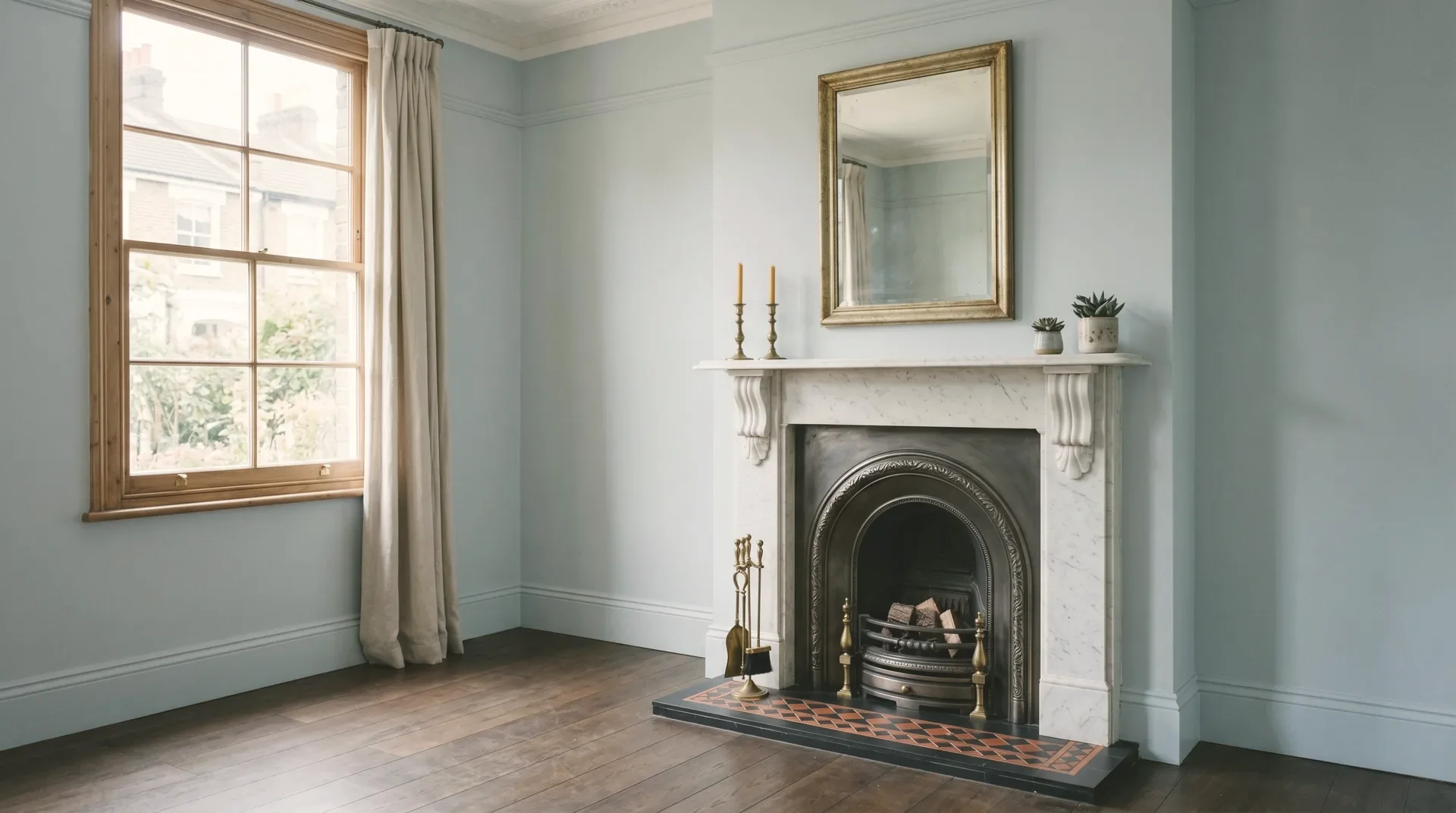
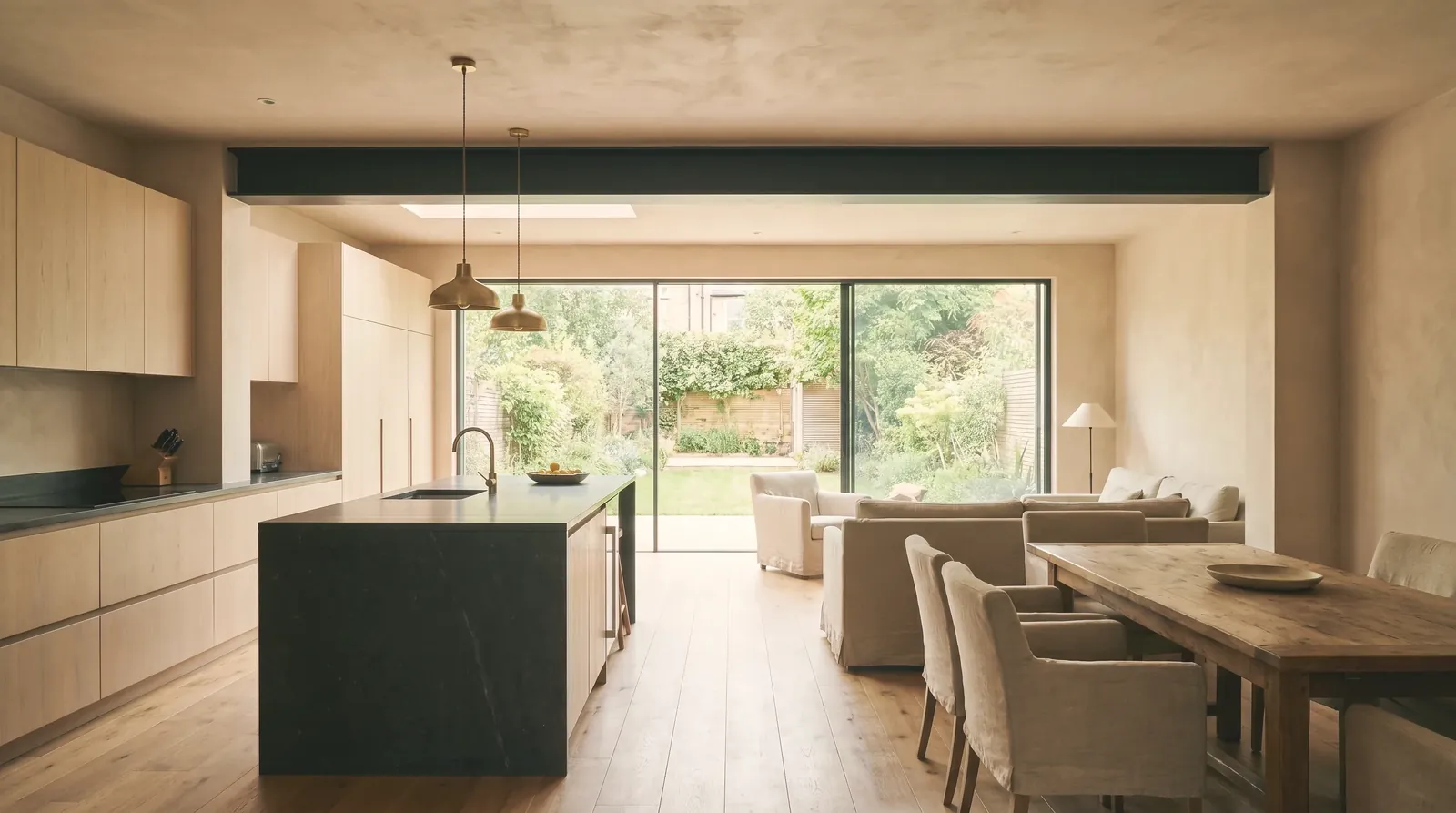
Putting a period home right is rarely one big repair. It is a sequence of related jobs, from damp and rot treated at the cause to lime plaster, cornices and sash windows made good, done so the building's quirks are worked with rather than papered over.
- Period restoration
- Damp & rot
- Plaster & cornices
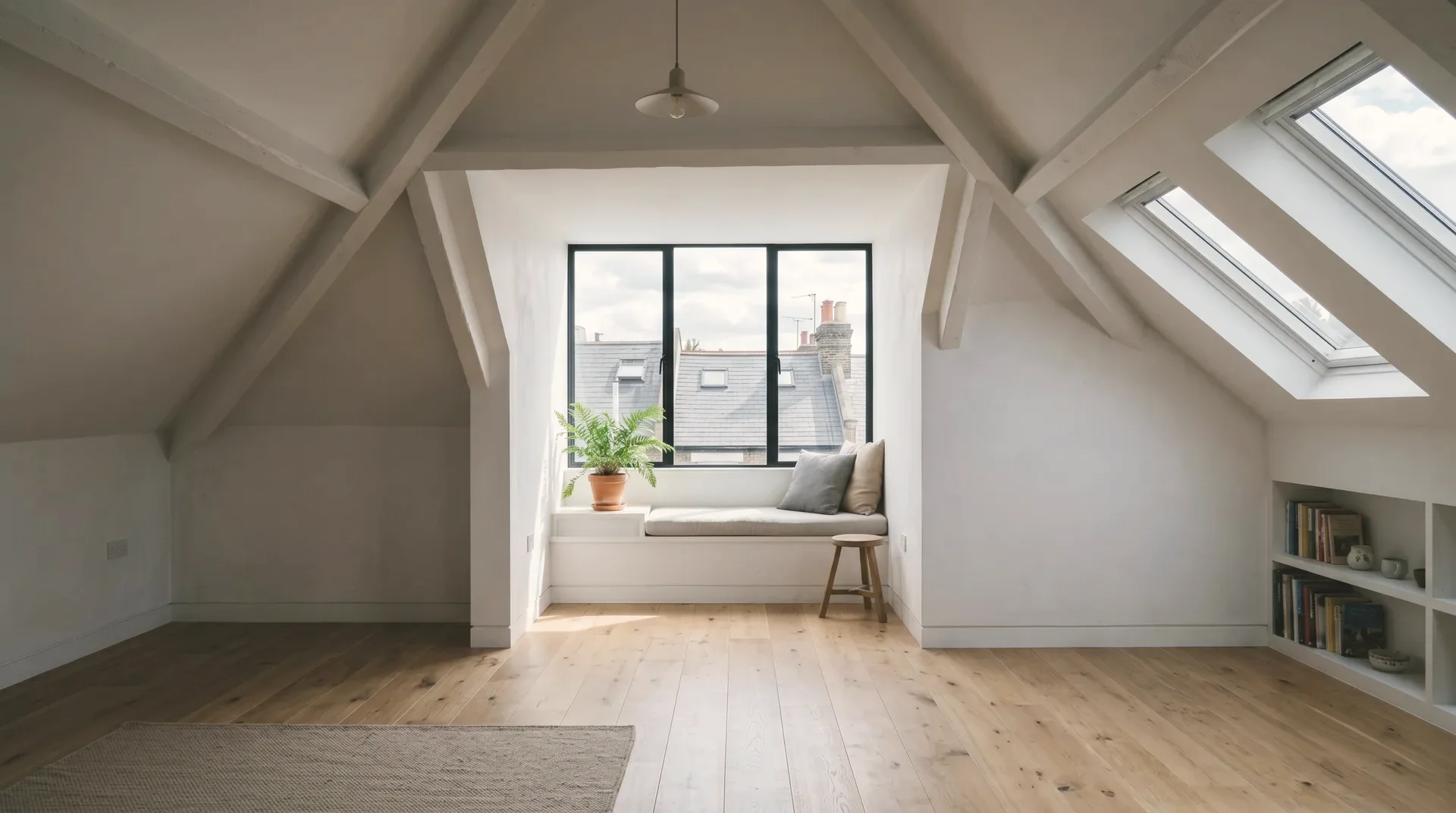
Putting a period home right is rarely about one big repair. It's a sequence of related jobs — damp and rot dealt with at the cause, lime plaster and cornices made good, sash windows eased and draught-proofed — done so the building's quirks are worked with rather than papered over. The notes below set out what a renovation of this kind on a Victorian, Edwardian or Georgian London home usually involves.
What's actually involved
Older London stock is good to work in once you understand it. The problems are almost always the same handful: penetrating damp at the parapet or chimney, rising damp at the ground-floor skirting, dry rot in a subfloor or window frame, lime plaster pulling away from the lath behind it — and the fixes are straightforward if you get to the cause rather than patching the surface. A typical job of this kind starts with a proper look: gutters, flashings, brickwork pointing, damp-proof course condition and sub-floor ventilation all checked before any scope is agreed. The survey report sets out every item separately with its own cost, so the scope is clear before anyone commits. From there it usually folds into a wider room-by-room or whole-house renovation rather than a single isolated fix. One distinction worth naming: this remedial and fabric work runs under our renovation and carpentry trades — our restoration service is the separate surface-and-finish discipline (refinishing timber, stone, baths and cabinetry in place), which typically arrives at the end of a job like this, once the fabric is sound.
What this kind of renovation covers
- Damp diagnosis and treatment — penetrating damp (faulty gutters, failed flashings, defective pointing), rising damp, and condensation damp each have different fixes; the right one depends on which problem you actually have, identified before any treatment is recommended. Coverage runs across Greater London and the home counties.
- Dry rot and woodworm treatment — structural timbers, subfloor joists, window frames and sills. Where rot has spread, the affected timber is cut out, the zone treated, and made good with compatible replacement sections, which is where the carpentry on a job like this comes in.
- Lime plaster repair and renewal — Victorian and Edwardian homes were built with lime, which moves with the building. Patching lime with modern gypsum boards and bonding coat causes further cracking and damp migration. The right approach matches lime to lime — same background, same breathability — whether repairing a blown section or relining a full room. Once the plaster has cured, lime-compatible paints and decorative finishes keep the wall breathing.
- Cornice, coving and ceiling-rose repair — damaged runs are re-run in lime putty to match the original profile, or replacement sections cast where the detail is lost entirely, so the repaired portion sits flush with the rest.
- Sash window overhaul and draught-proofing — cord replacement, rebalancing, reglazed panes, and brush-seal draught-proofing that cuts heat loss without altering the window's appearance or requiring consent in most conservation areas. Where a frame is past saving, a replacement sash made to match goes in.
- Conservation area and listed building compliance — Article 4 directions, conservation-area controls, and listed-building consent requirements all affect what materials and methods are permitted on the external fabric. The designation is confirmed at the survey, with advice on what's allowed and any consent application handled as a separately costed line. The listed-building renovation guide goes into this in more detail.
Where this work happens
The heaviest concentration of conservation-area and listed homes in London runs through Camden — Hampstead NW3, Belsize Park NW3, Highgate N6 and Primrose Hill NW1 — through Kensington and Chelsea, from South Kensington SW7 across to Notting Hill W11, and out into the Victorian suburbs such as Chiswick W4 and Dulwich SE21. PSS covers all of Greater London and the home counties.
A job of this kind runs on an itemised written quote after a free site visit, a fixed start date and a fixed finish date, and one project lead throughout. You can get an estimate to see a first range for your property.
Common questions
Do I need listed-building consent for internal restoration work? For a listed building, yes — in most cases. Listed-building consent covers internal as well as external changes to original fabric: replastering, altering or removing a historic cornice, changing windows or joinery. A conservation area (without listing) controls the external envelope but usually leaves internal work unrestricted. The exact designation is checked at the survey, and the consent needed is confirmed before anything starts. The listed-building renovation guide walks through the process.
Is lime plaster necessary, or can I use modern plaster on an old house? On an older solid-wall house (pre-1920s construction), lime plaster is the right material for a repair. Solid brick and stone walls absorb moisture and release it; lime plaster breathes with the wall and moves slightly without cracking. Gypsum plaster is harder and less permeable — applied over or beside original lime, the joint between them tends to crack as the building flexes, and moisture can become trapped behind the hard face. Matching lime to lime avoids that. Modern plasterboard is fine for non-historic partitions and ceilings where the original lath is gone entirely.
What's the difference between dry rot and wet rot? Dry rot (Serpula lacrymans) is the more serious of the two: it can travel through masonry and spread beyond the original wet zone, so treatment has to cover a wider area than just the visible damage. Wet rot is localised — it lives where timber stays persistently damp and stops when the moisture source is removed. Both need the moisture source fixed first (the repair is pointless otherwise), then the affected timber cut out, the zone treated, and sound replacement timber fixed in.
Related
- Renovations — full-house and room-by-room scope for a period home
- Victorian house renovation in London
- What a full house renovation costs in London (2026)
- Flooring — restoring and finishing original or replacement timber floors
- Get an estimate — a first range for your property
This is an example of the kind of work we take on, not a specific completed job. Photographed, signed-off projects live in the gallery. Every job starts with a free site visit and a written, itemised quote.